
GPS trackers are known for fleet management and route optimization, but their most important function may be protecting lives. From recovering stolen vehicles to detecting dangerous driving before an accident happens, GPS tracking prevents harm in ways that are easy to overlook until you need them.
Here are the concrete ways GPS vehicle tracking protects people and assets.
Stolen Vehicle Recovery
Vehicle theft is a daily reality in Senegal, particularly in Dakar. When a vehicle is stolen, the first hours are critical. Without a tracker, the owner files a police report and waits. With GPS tracking, the response is immediate.
Live tracking shows the vehicle's exact position, updated every 10 seconds. The owner shares the location with police in real time. The remote kill switch cuts the engine, stopping the vehicle safely. In most cases, vehicles equipped with GPS and a kill switch are recovered within hours.

For car rental companies, this capability is not optional. A single unrecovered vehicle can cost more than a year of GPS subscriptions for the entire fleet. The combination of geofencing, curfew monitoring, and remote engine cut creates multiple layers of protection.
Dangerous Driving Detection
Road accidents are one of the leading causes of death in West Africa. Many of these accidents are preventable. GPS tracking with driving behavior analysis identifies the patterns that precede accidents: hard acceleration, harsh braking, sharp cornering, and speeding.
Speed monitoring sends an instant alert when a driver exceeds a set threshold. Managers do not have to wait for an accident report to know something is wrong. They can intervene the same day with targeted coaching.
Fleet operators who track driving behavior consistently report fewer accidents, lower insurance costs, and reduced vehicle maintenance expenses. The data turns subjective impressions ("he drives too fast") into measurable scores that drivers can improve over time.
Unauthorized Use and After-Hours Movement
A vehicle moving outside business hours or outside its assigned area is a warning sign. It could be theft, unauthorized personal use, or a driver deviating from an approved route.
Geofencing draws virtual boundaries around authorized zones. When a vehicle crosses a boundary, the owner receives an instant alert. Curfew monitoring does the same for time-based restrictions: if a vehicle moves between midnight and 6 AM when it should be parked, you know immediately.
For construction companies with heavy equipment on remote job sites, geofencing alerts are the first line of defense against equipment theft after hours.
Accident Response
When an accident occurs, knowing exactly where the vehicle is saves critical minutes. Instead of relying on the driver to describe their location (which may be impossible if they are injured), dispatchers see the precise position on the map and can direct emergency services immediately.
Trip history also provides a record of what happened before the accident: the route taken, speed at each point, and any sudden changes in movement. This data helps with insurance claims, legal disputes, and understanding what went wrong.
Fleet Accountability and Route Verification
For delivery companies and taxi operators, GPS tracking ensures drivers follow assigned routes and reach their destinations. Dispatchers verify that a driver actually visited each stop, check delivery times, and identify detours.
This accountability protects both the business and the driver. When a customer claims a delivery was late or never arrived, trip history provides objective proof. When a driver is accused of something they did not do, the GPS data clears them.
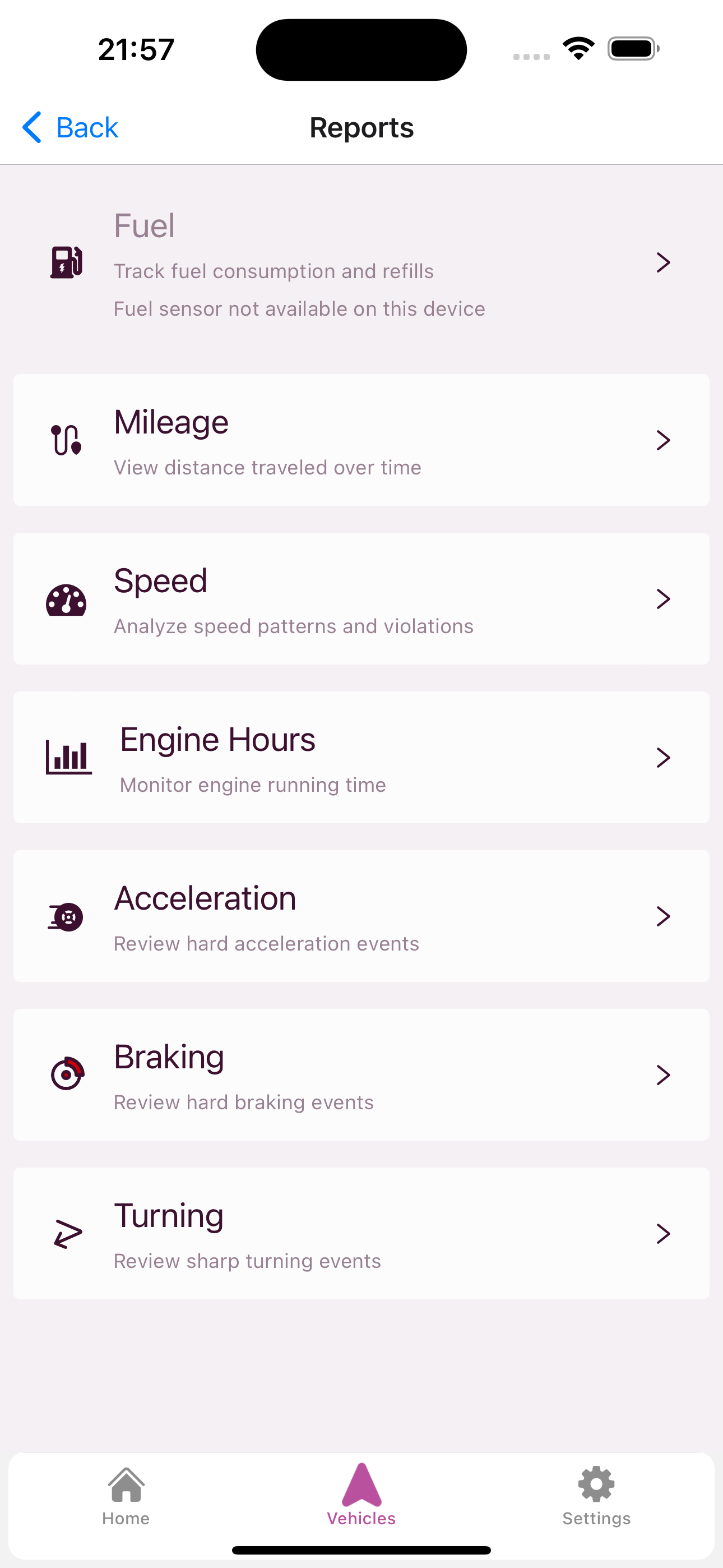
Activity reports compile this data into summaries that fleet managers review weekly: total distance, idle time, number of trips, speed violations, and driving scores per driver.
Protection for Individual Vehicle Owners
You do not need a fleet to benefit from GPS tracking. Individual vehicle owners in Senegal use GPS to:
- Recover a stolen vehicle: live position and remote engine cut give you the ability to act within minutes
- Monitor a family vehicle: know when it arrives at school, work, or home
- Detect unauthorized use: receive alerts if the vehicle moves when it should not
- Provide evidence after an incident: trip history records exactly what happened and when
With Traxelio's Basic plan at 6,000 FCFA/month, individual owners get live tracking, geofencing, speed alerts, trip history, and remote engine cut, the same tools used by professional fleets.
What to Look For in a GPS Tracker
Not every GPS tracker offers the features that matter for safety. Here is what to prioritize:
| Feature | Why It Matters for Safety |
|---|---|
| Live tracking | Locate a stolen or missing vehicle instantly |
| Kill switch | Stop a stolen vehicle remotely |
| Geofencing | Detect unauthorized movement immediately |
| Speed alerts | Prevent accidents before they happen |
| Driving behavior | Identify dangerous patterns and coach drivers |
| Curfew | Detect after-hours movement |
| Trip history | Provide evidence after an incident |
| Alerts | Get notified instantly, not after the fact |
Get Started
GPS tracking is not just about knowing where your vehicles are. It is about preventing theft, reducing accidents, and having the data to respond when something goes wrong. The return on investment is measured not just in money saved, but in harm prevented.
Discover live tracking · View all features · Compare plans · Industry solutions